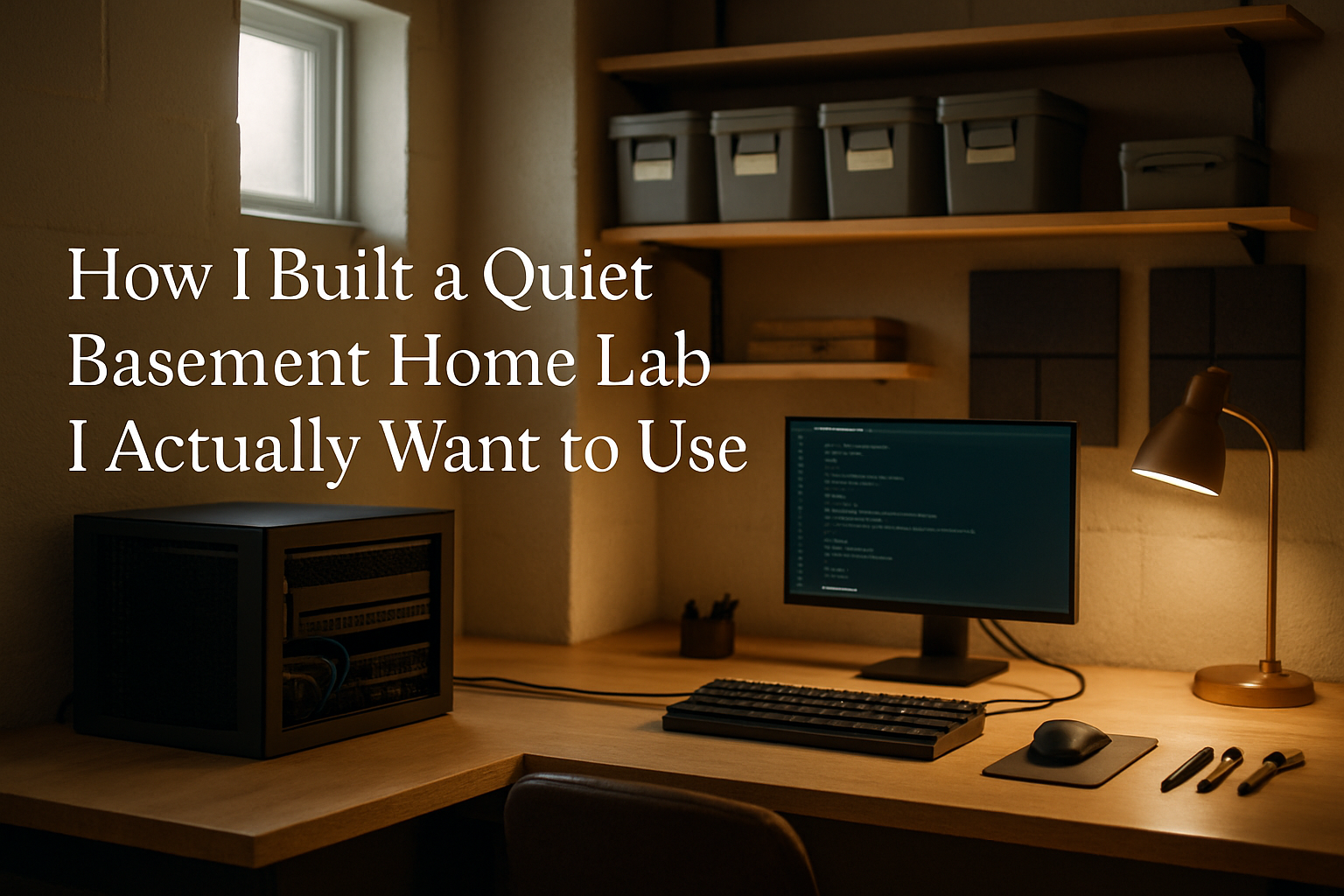
For a long time, my basement home lab was technically functional and practically miserable. It worked, sure, but it was noisy, cluttered, and just annoying enough that I kept putting off weekend projects. I’d go downstairs planning to swap drives, clean up a switch, or test a smart home idea, then spend the first half hour dealing with cable spaghetti, fan noise, and a bench that felt more like a junk pile than a workspace. If you’re trying to set up a quiet, productive basement home lab, I think the biggest trap is assuming performance is all that matters. It’s not. If the room feels bad to work in, you won’t use it.
What was actually broken in my setup
Before I bought anything else, I had to be honest about the real problems. My issue wasn’t that I lacked gear. I had plenty of gear. The problem was that my basement lab had no system.
I realized I was fighting four things at once: noise, visual clutter, wasted space, and friction. Noise mattered more than I expected. A server corner that hums and whines all weekend starts to wear on you, especially when you’re trying to focus on network changes or troubleshoot something small. Visual clutter was the next problem. Loose wall cables, unlabeled bins, and random tools made every task take longer. Then there was floor space. Basements can turn into storage overflow fast, so anything sitting on the ground was competing with totes, ladders, and all the normal homeowner junk. And finally, friction: if it takes too much effort to safely open a machine, trace a cable, or identify a part, I procrastinate. I know myself well enough to admit that.
So my goal wasn’t to build some dream data center. I wanted a basement home lab that stayed quiet enough to be comfortable, organized enough to support real work, and simple enough that I could walk downstairs on a Saturday morning and start doing the job immediately.
The pieces that made the lab feel better to work in
StarTech.com 6U Wall Mount Network Rack
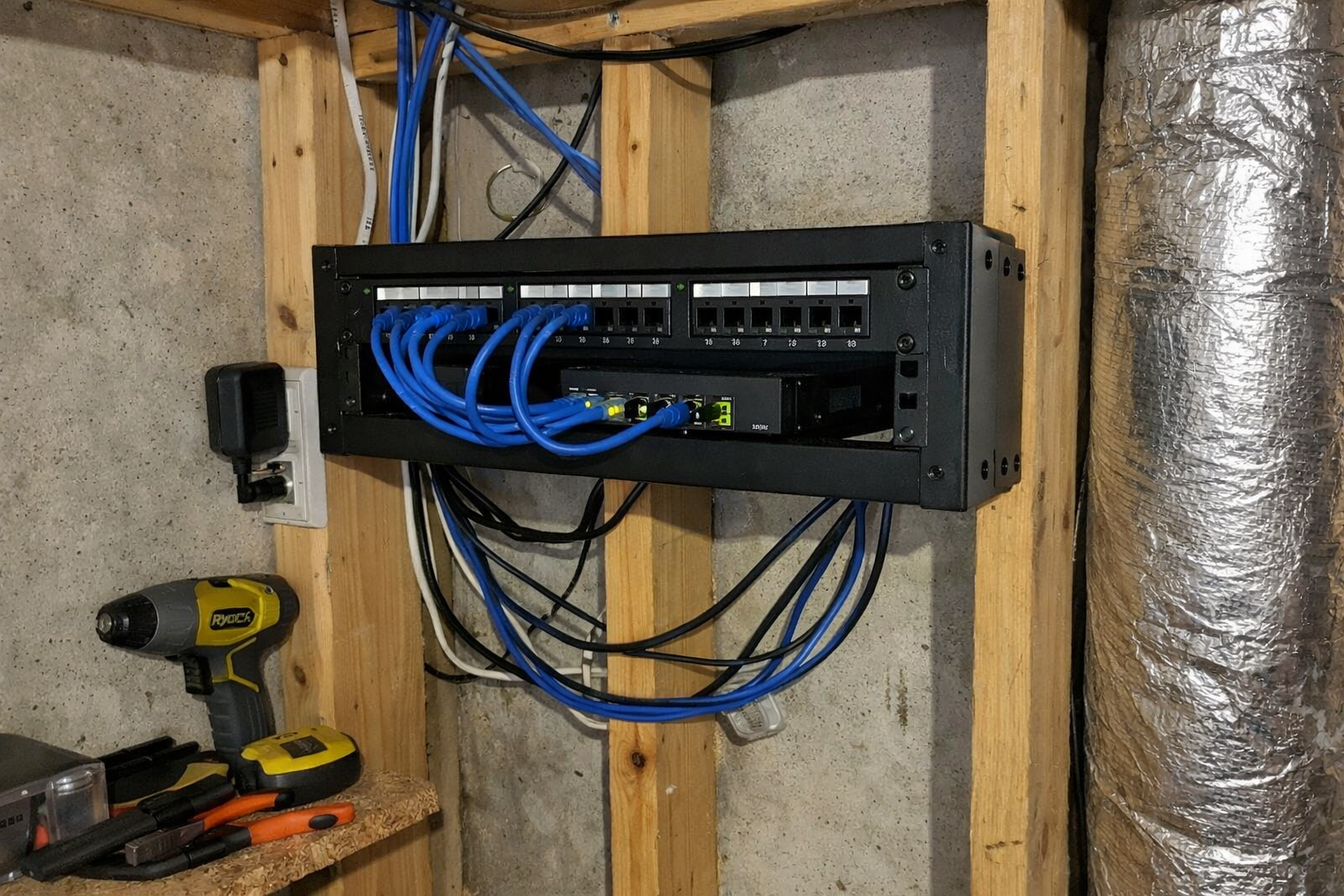
This was probably the biggest quality-of-life upgrade in the whole room. I eventually mounted the StarTech.com 6U wall mount network rack because I was tired of small network gear squatting on shelves and workbenches where it didn’t belong. Getting my switch, patch gear, and a couple of shallow components up on the wall instantly gave the lab more breathing room. I also like open-frame racks because they’re easy to reach from all angles, which matters when you’re re-terminating cables or swapping hardware and don’t feel like wrestling with a cabinet door. Installation was straightforward, but this is one of those jobs where you absolutely want to hit studs and think through your height before drilling. I’ve mounted enough hardware over the years to know that “close enough” becomes regret later.
What I Appreciate
- ✅ Gets network gear off the bench and frees up floor space
- ✅ Open frame makes patching and troubleshooting easier
- ✅ Steel construction feels properly sturdy, not flimsy
What Frustrates Me
- ❌ You need to plan your wall placement carefully or you’ll wish it was a few inches higher or lower
- ❌ Open frame means gear is accessible, but also more exposed to dust than a cabinet
Noctua NF-P12 redux-1700 PWM
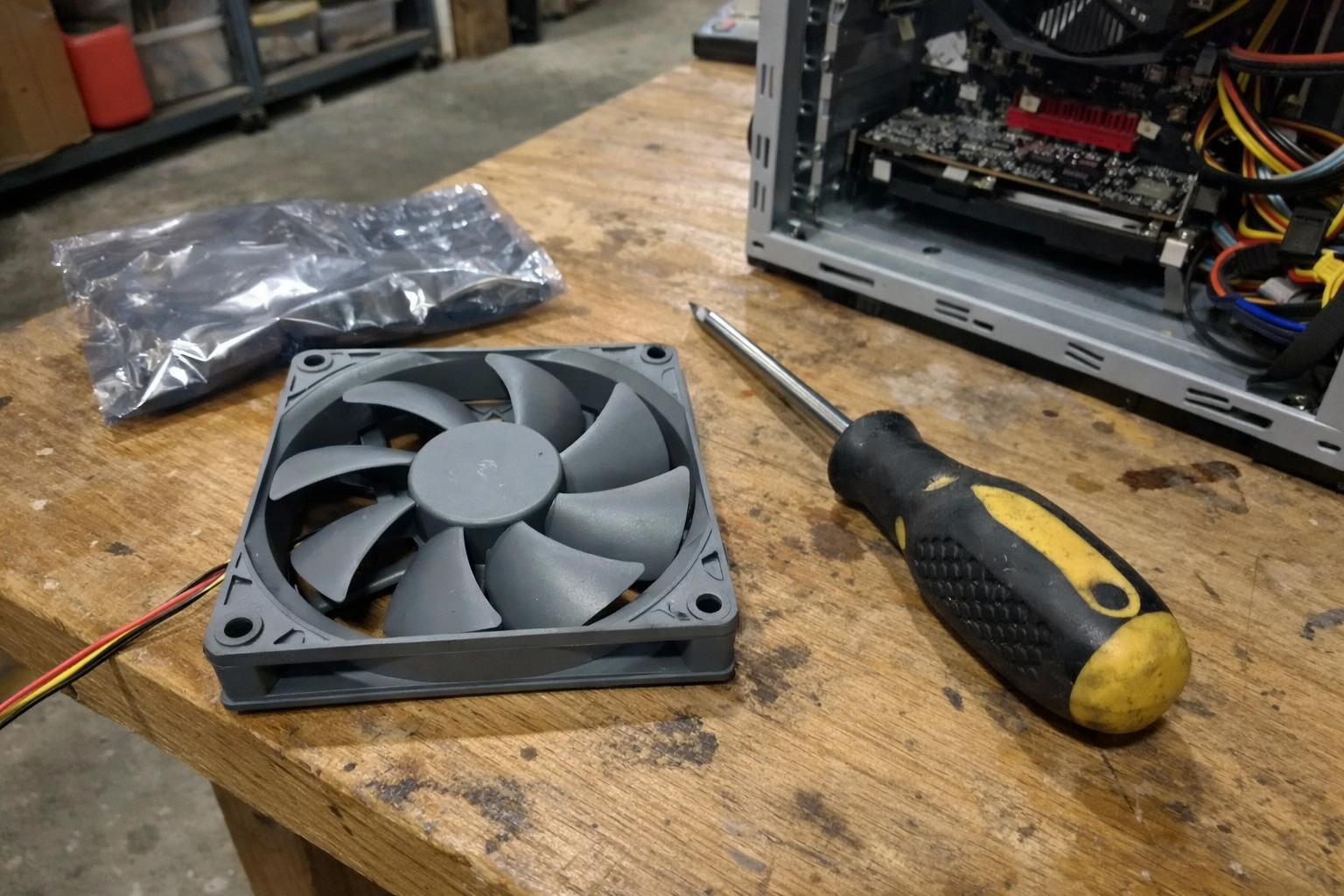
If your basement home lab is loud, fan noise is usually one of the first places to look. I swapped in the Noctua NF-P12 redux-1700 PWM in one of my always-on systems after getting tired of that thin, cheap-fan whine that cuts through everything. The difference wasn’t magic, but it was very real. What I like about this fan is that it gives you that nice middle ground: enough cooling performance for actual server or lab use, without sounding like the machine is annoyed at being turned on. PWM control matters here too, because a fan that can calm down when the system is idle makes a basement lab much easier to live with. I’ve used enough bargain fans to know that some of them are quiet for about two weeks and then start making weird bearing noises. This one feels like a grown-up part.
What I Appreciate
- ✅ Noticeably better noise profile than the cheap stock fans I pulled out
- ✅ Good balance of airflow and quiet operation
- ✅ PWM control helps keep idle noise down
What Frustrates Me
- ❌ Still not silent if you run it hard all the time
- ❌ Grey color is practical, but it doesn’t exactly disappear visually in every build
Delamu TV Cord Hider
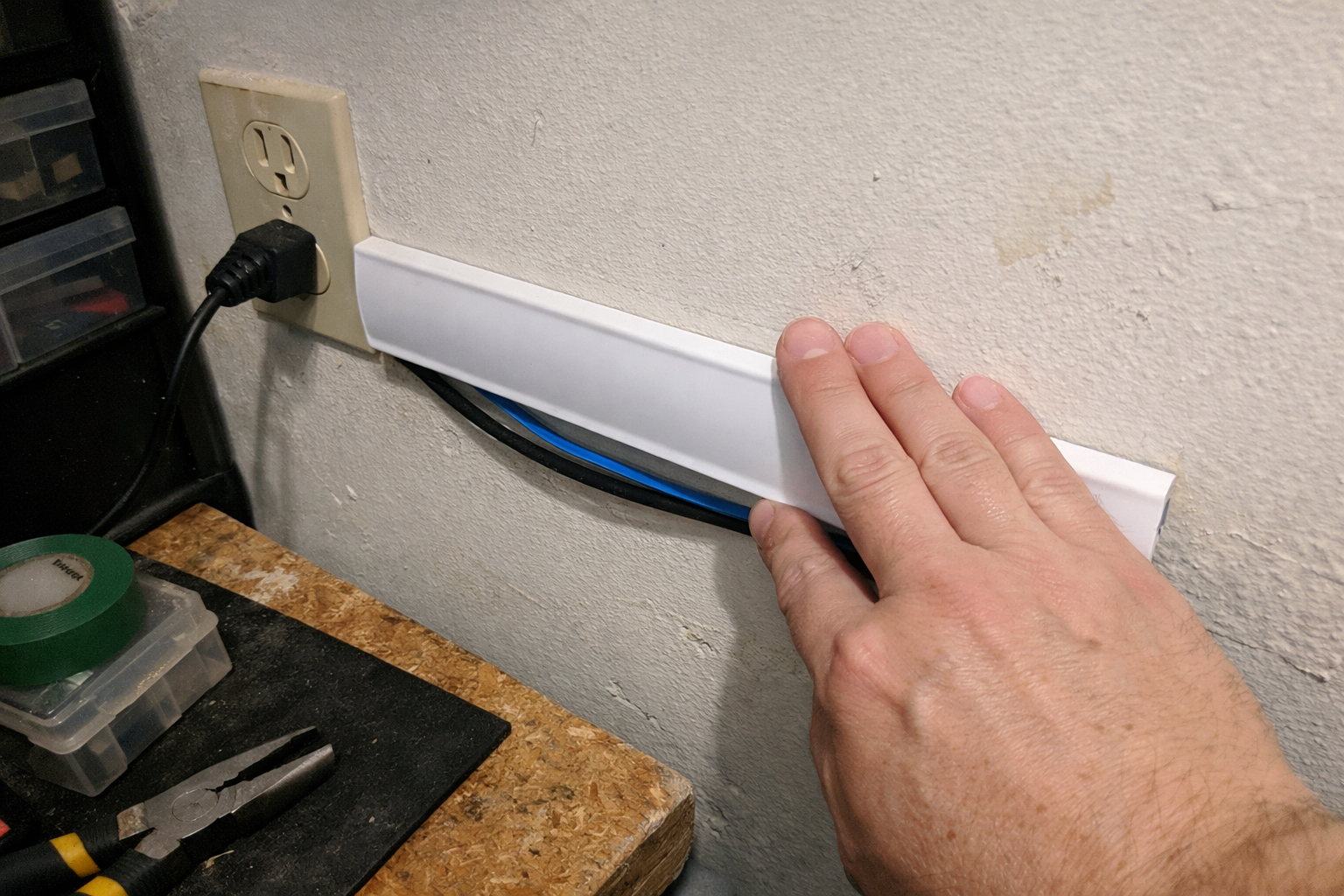
I know a cord hider sounds like a cosmetic thing, but in a basement lab it’s also about reducing mental clutter. I used the Delamu cord hider along part of the wall where a few visible runs were making the whole room feel messier than it really was. It helped more than I expected. Once those exposed wires were tucked away, the space looked intentional instead of temporary. I also appreciated that these covers are paintable and easy to cut, because basement walls are rarely as simple as the product photos on the internet pretend. The snap-together style made setup less annoying than some raceways I’ve used in the past, though I still took my time dry-fitting sections before sticking anything down.
What I Appreciate
- ✅ Cleans up visible wall runs and makes the lab look less chaotic
- ✅ Easy to trim and fit around real-world spaces
- ✅ Snap design is simpler than some older cable covers I’ve used
What Frustrates Me
- ❌ You still need patience to get straight, tidy placement
- ❌ Best for lighter cable runs, not stuffing everything you own into one channel
Portable Anti Static ESD Mat Kit
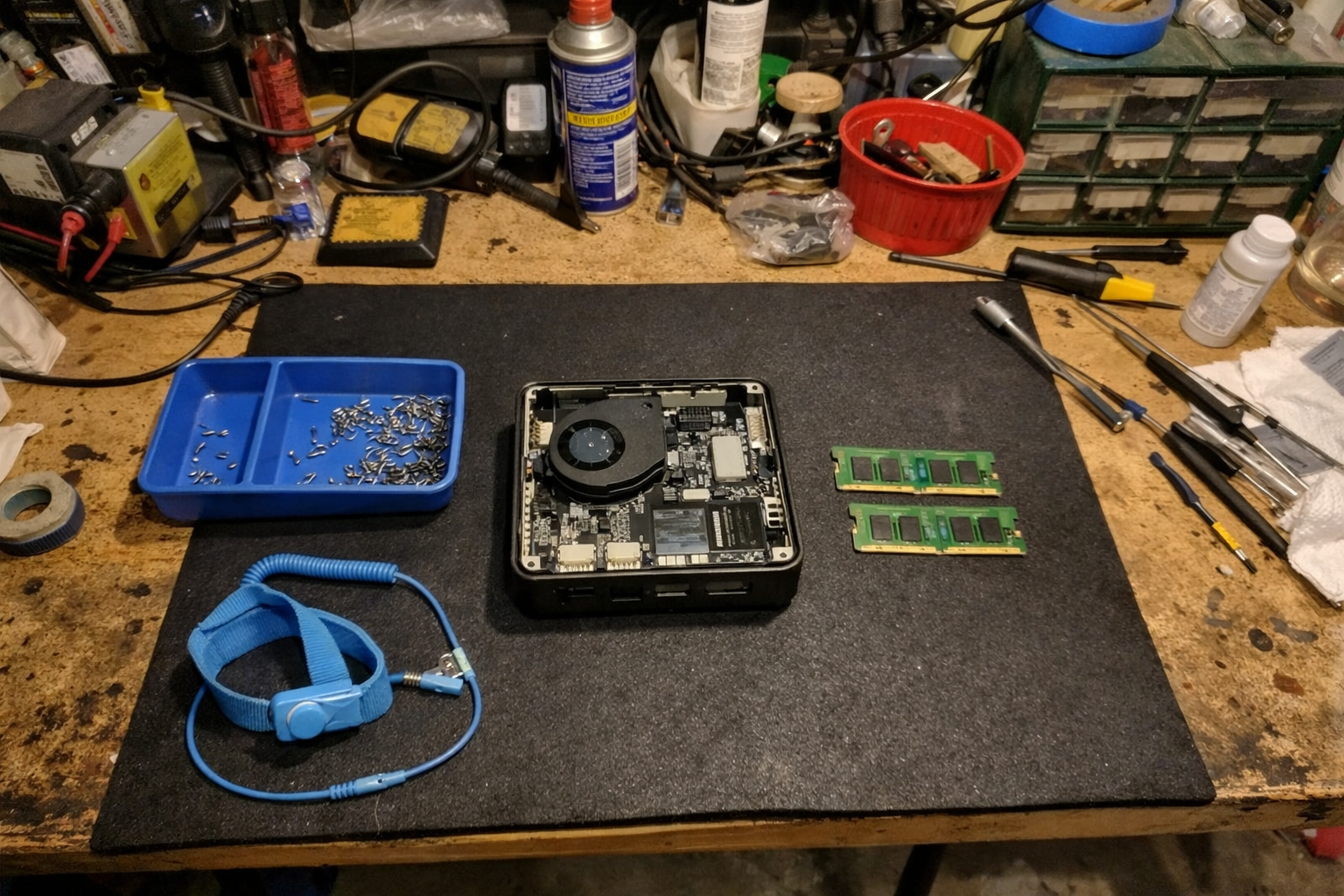
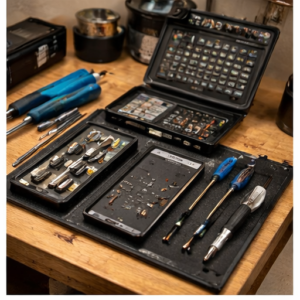
I’m going to say this like a guy who’s spent years taking electronics apart on whatever flat surface was available: a dedicated repair surface changes your habits. I picked up this portable anti static ESD mat kit because I wanted a repeatable workstation for PC upgrades, board-level tinkering, and random weekend repairs. The big win for me wasn’t just static protection. It was that the mat created a clear work zone. When I roll it out, that signals “this is the bench now.” Small screws stay where I expect them, parts don’t slide around as much, and I’m less likely to do something lazy and dumb with expensive hardware. It’s not an industrial lab setup, and I wouldn’t pretend it is, but for home lab and electronics repair use it’s the kind of cheap insurance that makes sense.
What I Appreciate
- ✅ Gives me a dedicated repair surface instead of using bare wood or a random table
- ✅ Helpful peace of mind when handling sensitive components
- ✅ Folds away easily when I need the bench back
What Frustrates Me
- ❌ Not something I’d treat as a permanent heavy-duty bench mat
- ❌ Takes a little setup discipline if you’re the type to rush into a project
Zodzi Vintage Embossing Label Maker
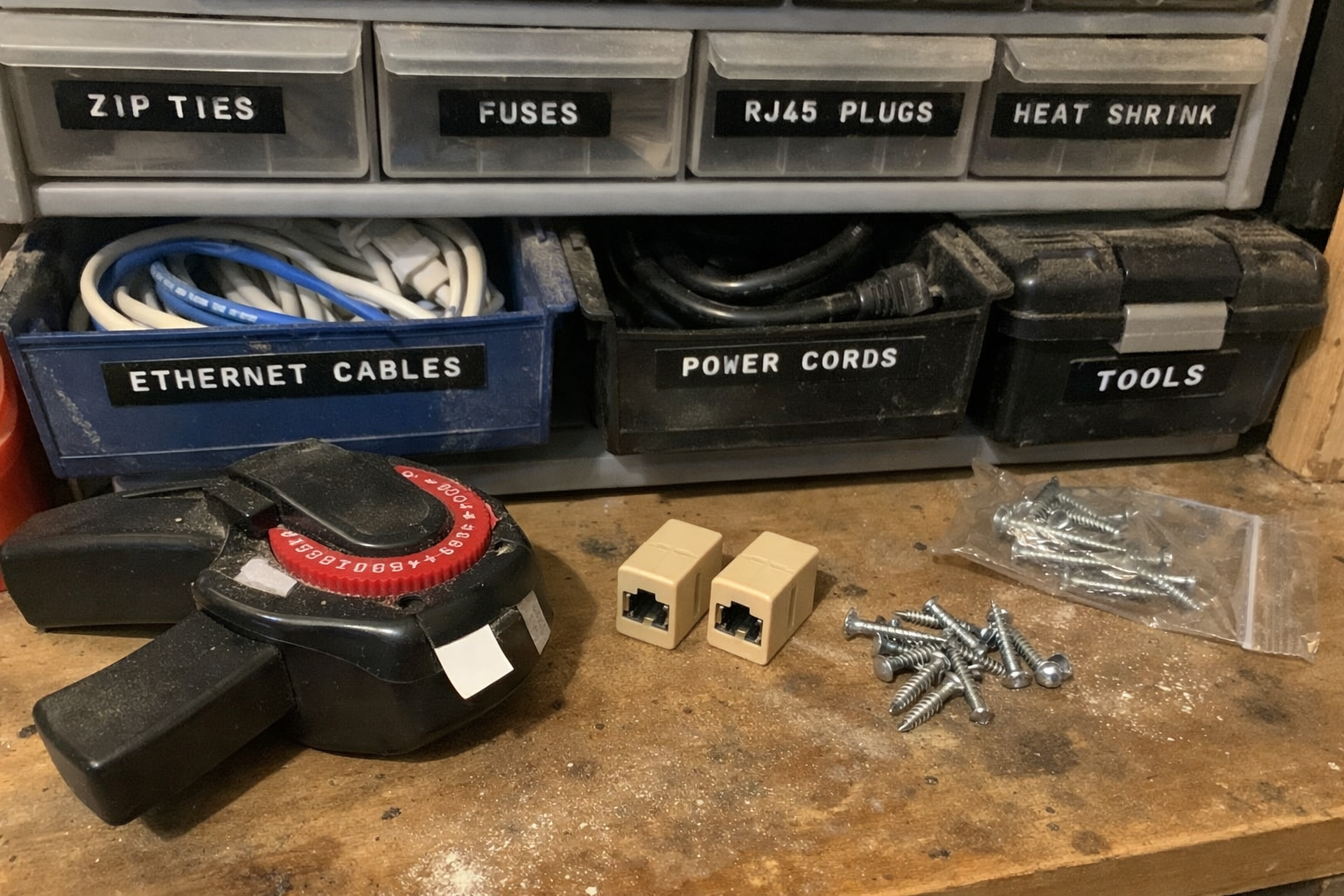
This one surprised me. I expected the Zodzi embossing label maker to be more of a novelty tool, but it ended up being genuinely useful in my basement lab. I use printed labels elsewhere, but for bins, shelves, adapter boxes, and all the little categories that keep multiplying in a home lab, these embossed labels are fast and dead simple. No batteries, no app, no pairing nonsense. You just make the label and move on with your life. That old-school approach fits really well in a utility space where I don’t want another gadget to maintain. It also forced me to finally label things I’d been “meaning to remember,” which is how you end up digging through three boxes to find one SATA cable.
What I Appreciate
- ✅ No batteries or apps, so I actually use it instead of postponing the task
- ✅ Great for bins, drawers, cable categories, and shelf labeling
- ✅ Labels are easy to read at a glance
What Frustrates Me
- ❌ Slower than a modern electronic label maker for long labels
- ❌ You have to press consistently or some characters look better than others
| Problem in the lab | What helped most | Why it mattered |
|---|---|---|
| Floor and bench clutter | StarTech 6U wall rack | Moved core network gear off shared surfaces |
| Constant background noise | Noctua NF-P12 redux-1700 PWM | Reduced the irritating fan tone that made the room less pleasant |
| Messy visible cabling | Delamu cord hider | Made the room feel cleaner and easier to think in |
| Unsafe or inconsistent repair area | Portable anti static ESD mat kit | Created a repeatable electronics work zone |
| Can’t find parts quickly | Zodzi label maker | Turned random storage into a system I can actually follow |
What I still want to improve next
The lab is in much better shape now, but it’s still a work in progress. My next target is power management and shutdown behavior. I want cleaner battery backup planning for the most important gear, and I also want to reduce the number of “temporary” adapters that somehow became permanent. I’m also paying more attention to dust control, because basements are great at collecting it and fans are great at moving it exactly where you don’t want it. Long term, I’d like this room to support more weekend repair work without needing a full reset before every project.
A quiet lab is really an easier lab
💡 The Final Verdict: Worth it if your lab feels like a chore
If your basement home lab already works on paper but somehow never feels pleasant to use, these kinds of upgrades are worth your time. Not because they’re flashy, but because they remove friction. A quieter fan, a proper wall rack, cleaner cable routing, a safer bench surface, and simple labeling all add up to a room that supports actual weekend projects instead of slowing them down. I’d especially recommend this approach for homeowners, tinkerers, and IT folks who use a basement lab for real hands-on work and want the space to be calmer without turning it into an expensive vanity project.
Disclaimer: As an Amazon Associate, I earn from qualifying purchases.
Author
-

Hi, I’m Andrew — an IT support specialist, smart home consultant, and someone who has spent more time than I’d probably admit fixing, upgrading, and reorganizing tech around the house.
I’m based in Seattle, and this blog grew out of years of hands-on trial and error with smart home gear, home lab setups, repair tools, and all the little accessories that make a system easier to live with. I’ve always liked understanding how things work, taking them apart when necessary, and finding better ways to set them up the second time around.
Here, I write about smart home products, DIY tech tools, server rack accessories, cable management solutions, and display gear for collectibles. Most of what I cover is practical, everyday equipment — the kind of stuff that sounds simple until you actually have to install it, troubleshoot it, or live with it for a few months.
My approach is straightforward and honest. I like step-by-step setup, real-world testing, and explaining what a product is actually like to use, not just what the box promises. That includes calling out flimsy materials, bad instructions, confusing installation, or design choices that make no sense once you start working with the product. If something is well made and easy to use, I’ll say that too.
A lot of my reviews come from real projects at home — building out servers, improving smart home automation, cleaning up cable messes, repairing devices, and figuring out better ways to store and display the things I care about.
If you like practical gear, clear explanations, and honest feedback from someone who actually installs the stuff himself, you’ll probably feel at home here.
Leave a Reply